


Tools & Materials I Use for Polymer Clay Sculptures
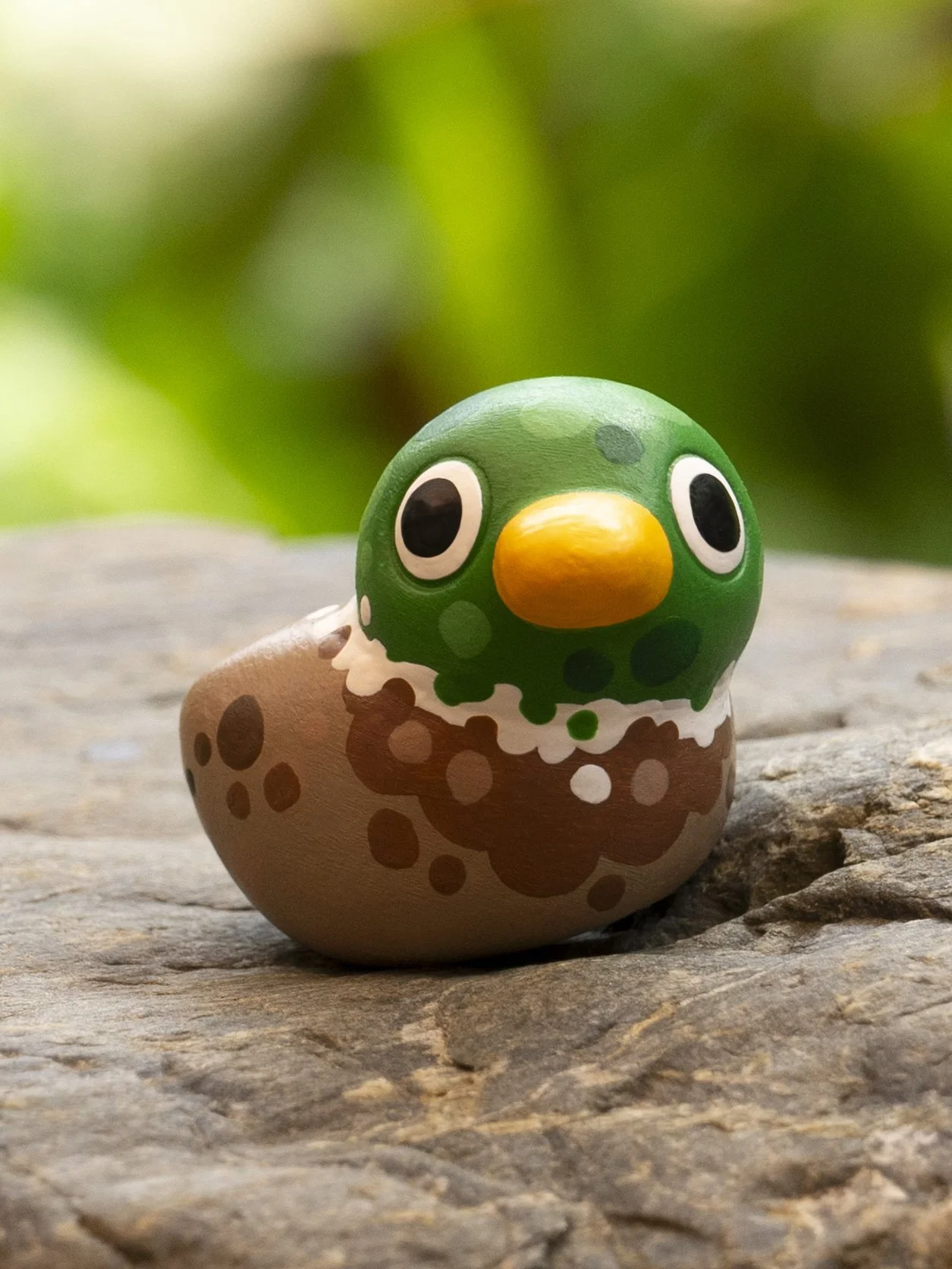
I’ve been making tiny animal sculptures out of polymer clay since 2019, which means I have spent an unreasonable amount of time figuring out which tools are actually useful and which ones will simply live in a drawer forever.
If you also don’t have any friends and have resorted to creating them from thin air like me (haha, joking! totally. i swear.), we can be friends. Please be my friend.
You absolutely do not need all of this to start sculpting. Clay, your hands and a willingness to try will get you surprisingly far. Feel free to read through and soak up the knowledge you yearn for, you little sponge.


Polymer clay
The important bit.
I use FIMO Professional, specifically Dolphin Grey. Since I paint every sculpture afterwards, you could reasonably argue that the colour of the clay doesn’t matter. You would be wrong.
I have opinions about this. We do not have time for them today.
FIMO Professional holds tiny details really well, stays workable long enough for me to fiddle with something for far too long, and has been my clay of choice since the beginning.


Silicone brushes & stylus Tools
I do most of the general sculpting with my hands, but these are basically extensions of my fingers. Imagine me like Edward Scissorhands but with these things.
I use silicone tools for smoothing and blending, and stylus tools for eyes, nostrils, tiny details and, importantly, screaming frog mouths.
If I had to build a very basic sculpting kit from scratch, these would be in it.
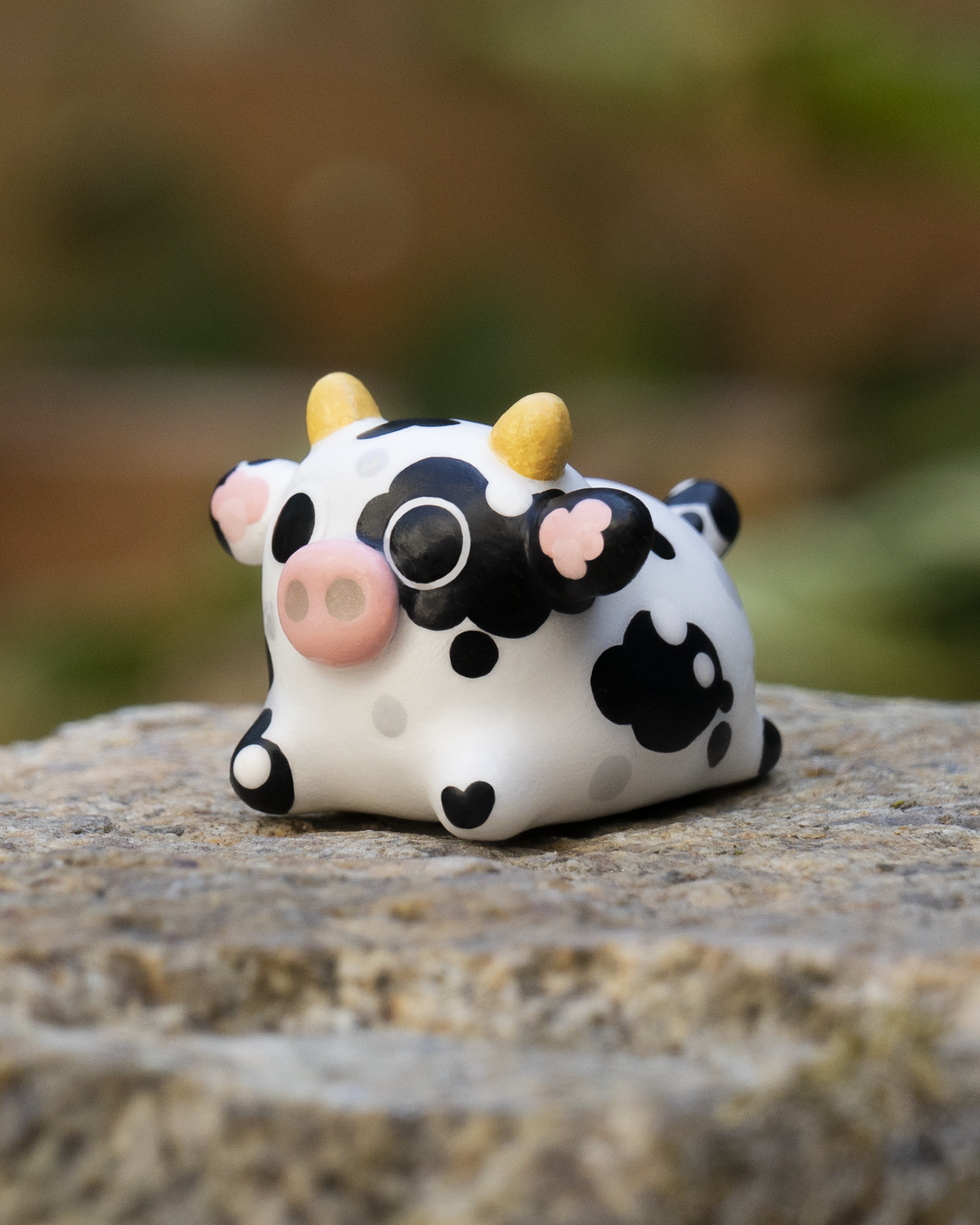

Electric nail drill
Yes. A nail drill.
You could buy a fancy rotary tool, but I use a small electric nail drill with interchangeable bits and it does exactly what I need.
After baking, I lightly sand my sculptures to remove little bits of dust, dirt or other mysterious particles that inevitably find their way into the clay.
If you are one of those people who can keep their hands and workspace completely spotless, congratulations. I don’t understand you.


DETAIL BRUSHES
I go through an upsetting number of tiny brushes.
Partly because I paint a lot. Partly because I occasionally leave them sitting in paint water until they become sad little sticks.
For most of my work I use small round synthetic detail brushes in a variety of shapes and sizes. You don’t need anything particularly fancy, you just want brushes that can hold a decent point.
I make a lot of dots. Like, a lot.


ACRYLIC PAINTS
I’ve used Liquitex Basics for years and still think they’re great. They come in loads of colours, have good coverage and don’t cost a kidney.
Over time I also started using Vallejo Model Color, particularly because I wanted better coverage from some of the brighter colours. They’re excellent, and these days my paint collection is basically a mixture of the two.
If you’re just starting out, you absolutely do not need 47 extremely specific shades of brown.
You will acquire them eventually.

VARNISH
Once a little guy has survived sculpting, baking and painting, I seal it with UV resin.
I switched to UV resin fairly recently because it gives the sculptures much better durability and protection than the varnishes I used previously. Unfortunately, UV resin is also extremely annoying to work with. You win some, you lose some.
I still prefer my sculptures to have a matte/satin finish rather than looking like tiny glazed doughnuts, so once the resin is fully cured, I apply Cernit Matte Transparent Varnish over it to take away the shine. Despite the name, it gives more of a soft satin finish, which is exactly what I want.
A needlessly complicated little spa treatment for an animal approximately three centimetres tall.

Camera
This one is obviously optional unless your clay creatures are also expected to maintain an online presence.
Mine are.
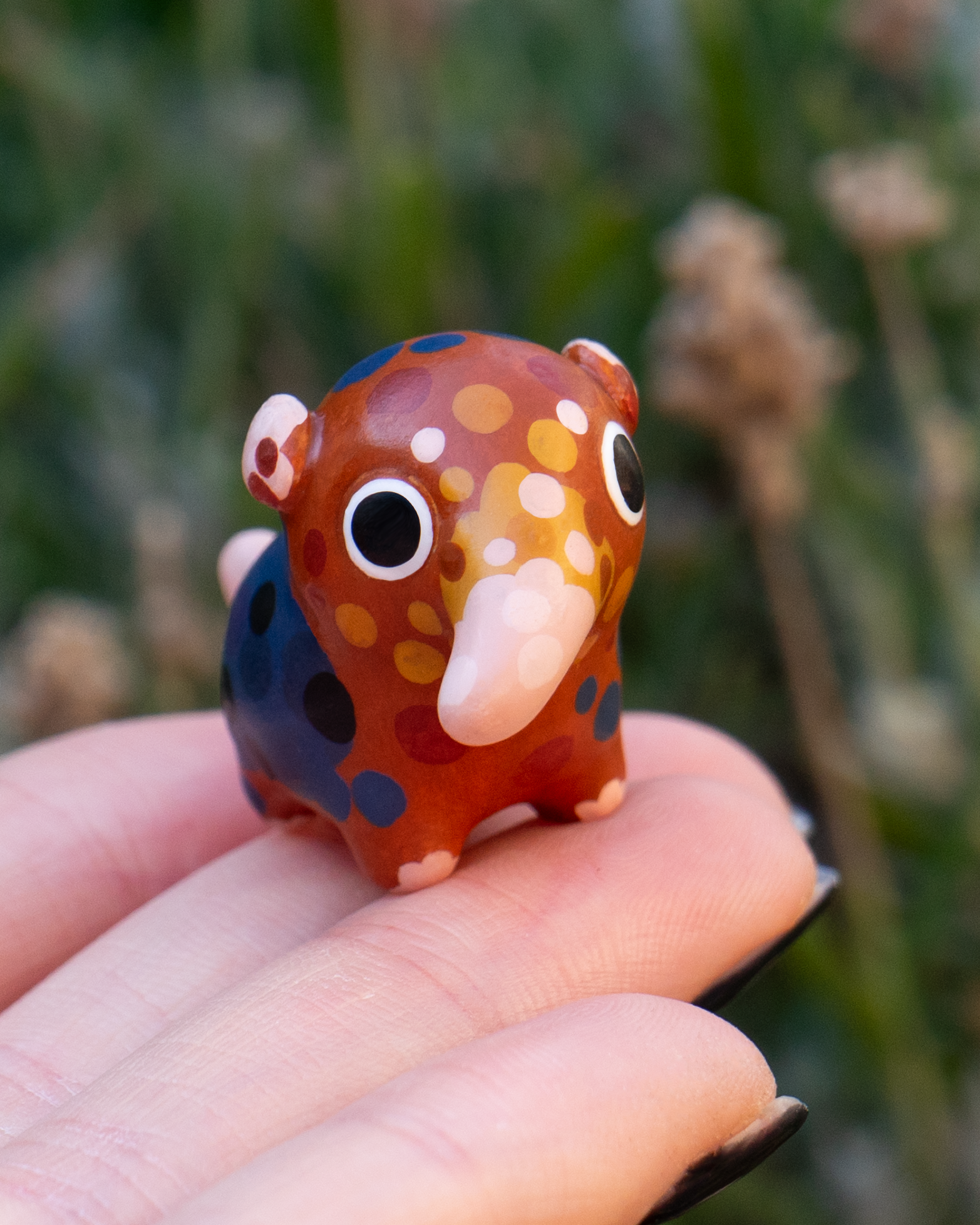
I currently use a Sony Alpha 7 II for my product photography. I’m not a professional photographer, but it has served me extremely well and does a good job of capturing all the tiny details I spend far too much time painting.
You do not need an expensive camera to start making or photographing your work. Good light and learning how to use whatever camera you already have will get you surprisingly far.
That’s pretty much it.
Whoa. You made it all the way down here. You rock! I don’t think I could do it, it’s such a long article.
I hope this answered whatever very specific polymer-clay question brought you to this corner of the internet. And if you’re wondering whether you should try sculpting: yes. Get some clay and make something. It will probably be weird. It might be terrible. It may lean to one side. It doesn’t matter.
Being able to make a real thingy out of clay is extremely satisfying. There’s something ancient about it. I think your ancestors will smile upon you.