


HELLO!
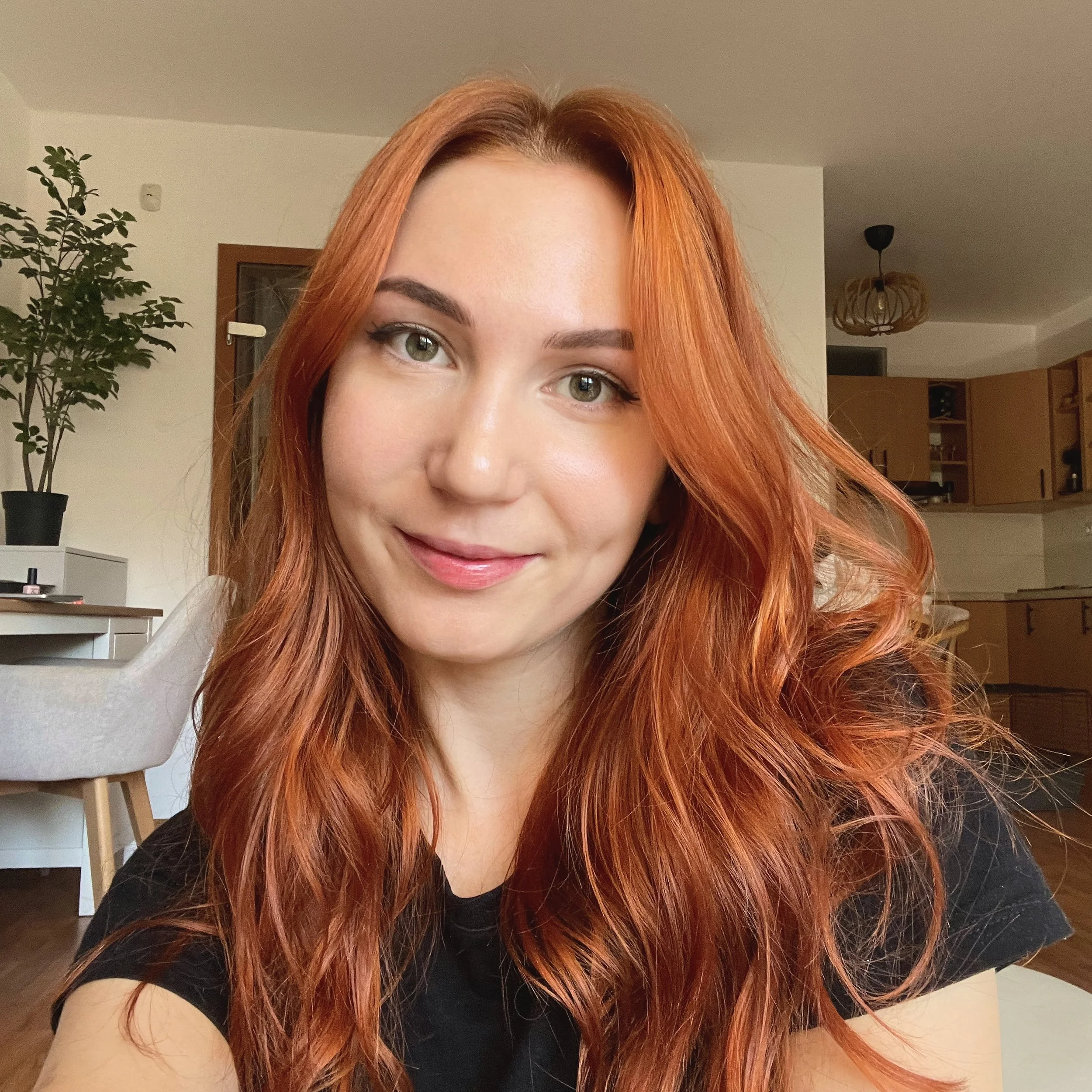
I have made an unreasonable number of tiny animals in my life.
I’m Martina Cernanova from Slovakia and I sculpt tiny quirky animals from polymer clay, cover them in tiny dots with acrylic paint and send them off to live with strangers around the world.
I also do everything else involved in running Taraminart, which means that on any given day I might be sculpting a frog, answering emails, staring very closely at a picture of a goose, taking photos, googling what a tapir's feet look like, fighting with my website or sitting on the floor surrounded by cardboard boxes wondering how this became my life. Because yes, against all reasonable expectations, this is my actual job.
How did this happen?
I never quite grew out of that childhood stage where you are obsessed with animals and need to pet every street cat you see. Despite my mom repeatedly warning me that this would surely result in my death, I continue to try to pet every animal I meet (sorry, mom).
I've also been making things for as long as I can remember. Art has always been a part of my life one way or another. I studied animation in high school and media design at university, and over the years I've wandered through a frankly unnecessary number of different creative interests. I was never particularly good at sticking to one thing... Turns out that was quite useful, because eventually all those things collided with my lifelong animal obsession and, in 2019, Taraminart happened.
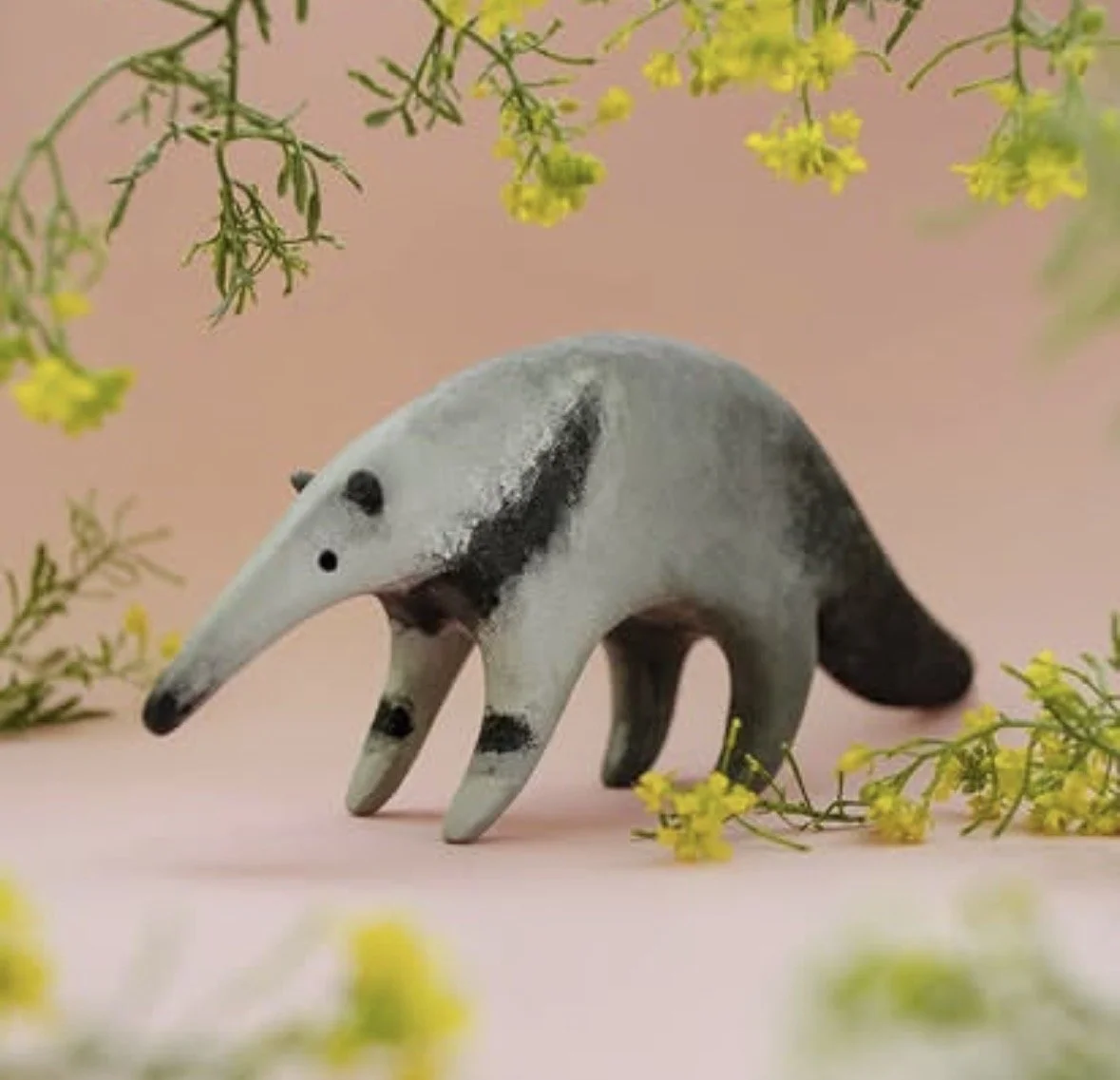
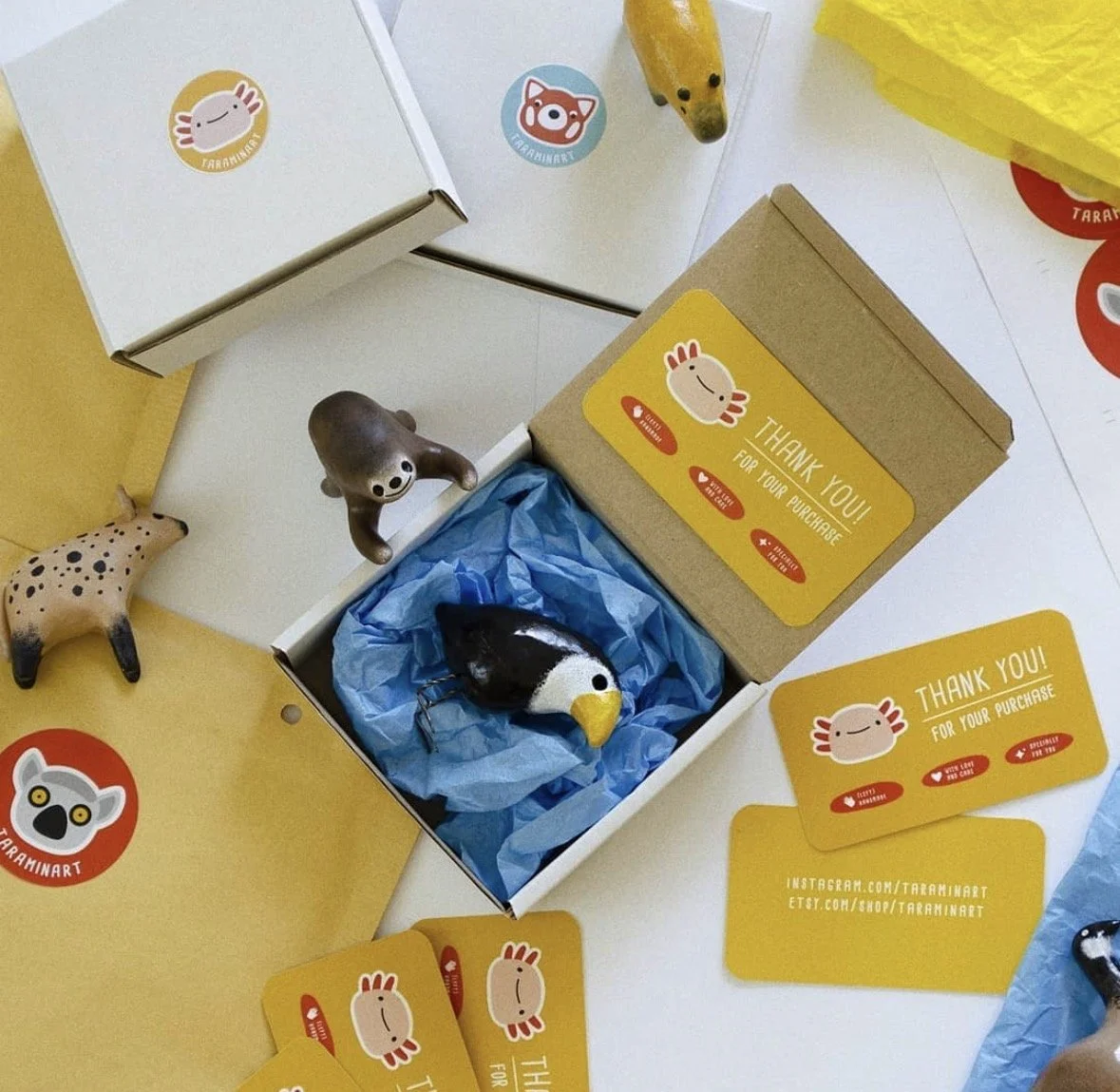
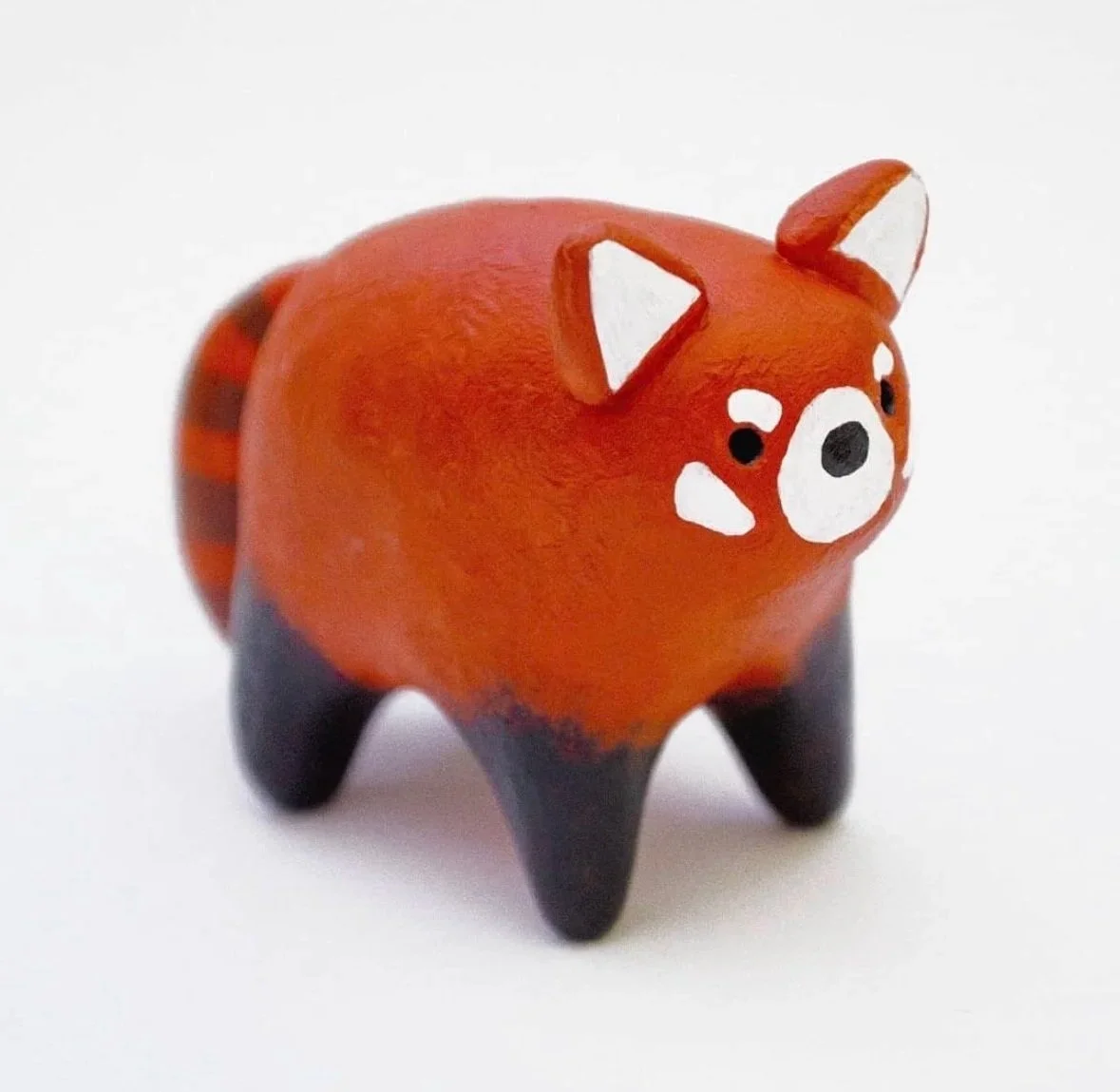
2019
Why animals?
Taraminart originally started because I wanted to introduce people to unusual animals they might never have heard of. There are an absurd number of creatures on this planet and some of them look like someone was clearly not paying attention during the design process.
But somewhere along the way, I became just as interested in the ordinary ones. The animals we see all the time and barely look at. They all have weird little faces, habits and personalities, and I like trying to capture that in my sculptures. Not necessarily what an animal looks like in a field guide, but what it feels like when you actually pay attention to one.
Perhaps next time you encounter your local goose, you take a proper look at it. There is a lot going on behind those eyes. Unfortunately, none of it is good.
Hmm…
I wonder where
this map leads…